Connecting ancient wisdom
with modern life
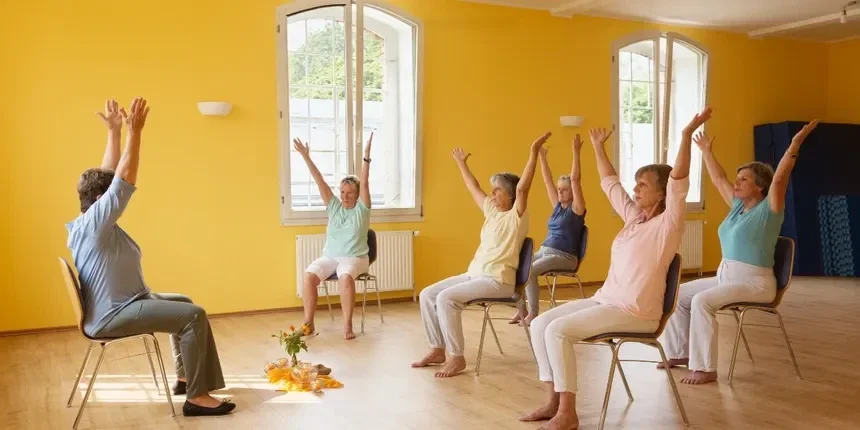
An accessible Practice
Movement is important no matter our age or state of health. If we lack strength and mobility due to aging, illness, injury or disease, yoga therapy offers accessible, manageable practices that can be done in a chair, standing or even in your bed. A mindful practice engages our breath and draws our focus to sensations in the body so that we can notice what is happening moment by moment and modify our practice with a sense of awareness. A guided, therapeutic practice is self-managed, self-care.

Yoga is relevant now more than ever
The human brain has evolved over millions of years but in the last few decades, with the rapid development and implementation of technology, many of us are so wired, so stressed our nervous systems are overwhelmed. This is why yoga, with its breath, movement, somatic and mindfulness practices have become more relevant than ever.
Each time our alert signal goes off, our attention is diverted and we are triggered to check on messages immediately, even during an important meeting or special gathering. Our sympathetic nervous system jumps to attention as we rush for our phone. When this happens over and over, our nervous system has difficulty returning to a 'rest, digest and heal' parasympathetic state, resulting in feeling hyper alert, anxious, unsettled, exhausted or unable to focus much of the time. We may find it harder to fall asleep, stay asleep or achieve restful sleep and then start reaching for a quick fix to help us calm down or get to sleep.
Making a commitment to the self-care practices of Yoga and Ayurveda help ground us and awaken a deeper awareness of our lifestyle habits so that we can make lasting changes for longer-term wellbeing.
Location
Orere Point,
2585 Auckland
Registered Member